Business
Small Businesses Bet on Local Supply Chains
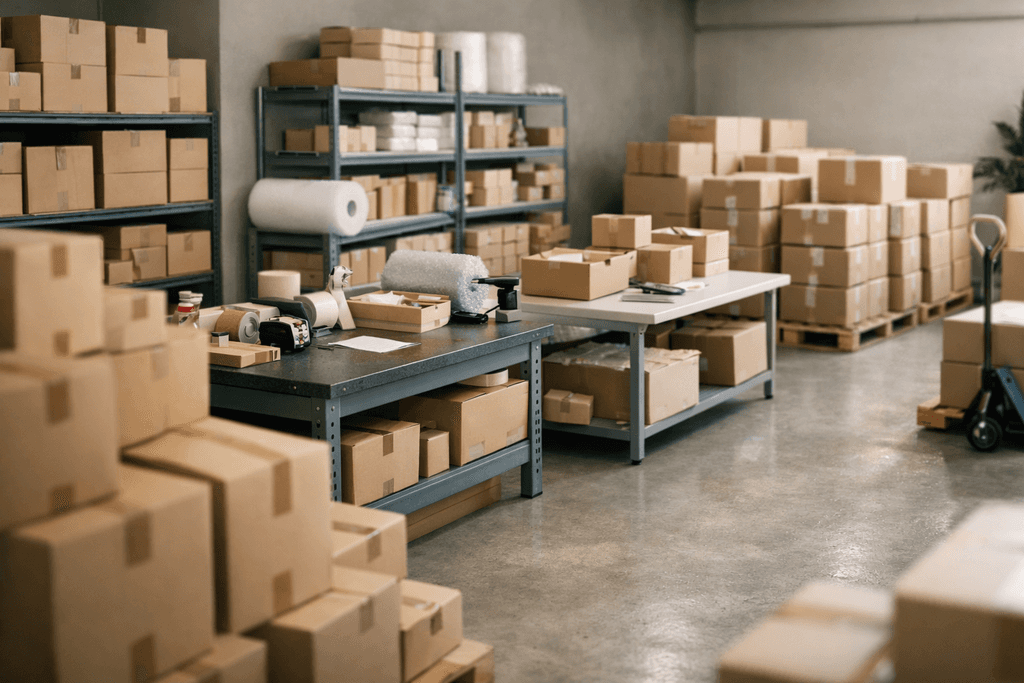
When the container ship carrying her spring inventory sat outside the port for five weeks, furniture maker Ana Morales lost her busiest season. She had ordered early, paid in full, and still had empty shelves in April. This year she buys her oak from a mill ninety minutes away, her fabric from a workshop in the next state, and her hardware from a family firm she can drive to in a morning. It costs about 12 percent more. She says she would not go back.
Morales is part of a broad shift. After a half decade of shipping delays, tariff changes and sudden shortages, thousands of small businesses are rebuilding their supply chains around nearby suppliers. Trade data shows the share of small manufacturers sourcing at least half their inputs domestically has risen steadily since 2022. The motive is rarely patriotism. It is predictability. A supplier three time zones away can be visited, phoned, and held to a delivery date in a way a factory on another continent cannot.
The trade-offs are real. Local inputs usually cost more, and the choice of materials is narrower. A bakery that switches to regional flour gives up varieties it once imported. A bicycle shop that sources frames domestically may stock three models instead of twelve. Many owners say they absorb the difference rather than raise prices, accepting thinner margins in exchange for shelves that stay full and customers who stop hearing apologies.
Some of the shift is being organised rather than improvised. Regional business groups have started supplier directories and shared warehousing so that small firms can buy together and qualify for bulk pricing. In several cities, local councils offer small grants to manufacturers that move part of their sourcing within the region. Logistics firms report growing demand for short-haul freight, a business that barely existed at this scale five years ago.
"I used to chase the cheapest price on earth. Now I chase the supplier who answers the phone."
Economists caution that the trend has limits. No region produces everything, and for electronics, specialist components and many raw materials, global sourcing remains unavoidable. The businesses that thrive are the ones that localise where it matters, keeping a nearby source for the inputs that would halt production if delayed, while still importing the rest. The strategy has a name in supply chain circles: dual sourcing, with a local supplier as the reliable fallback and a distant one as the price check.
For Morales, the calculation is simple. Her lead time fell from fourteen weeks to nine days. When a customer asks for a custom piece, she can promise a date and keep it. "I used to chase the cheapest price on earth," she said. "Now I chase the supplier who answers the phone." Her order book, for the first time in four years, is full through the spring.