Business
Empty Offices Are Becoming Apartments, Clinics and Classrooms
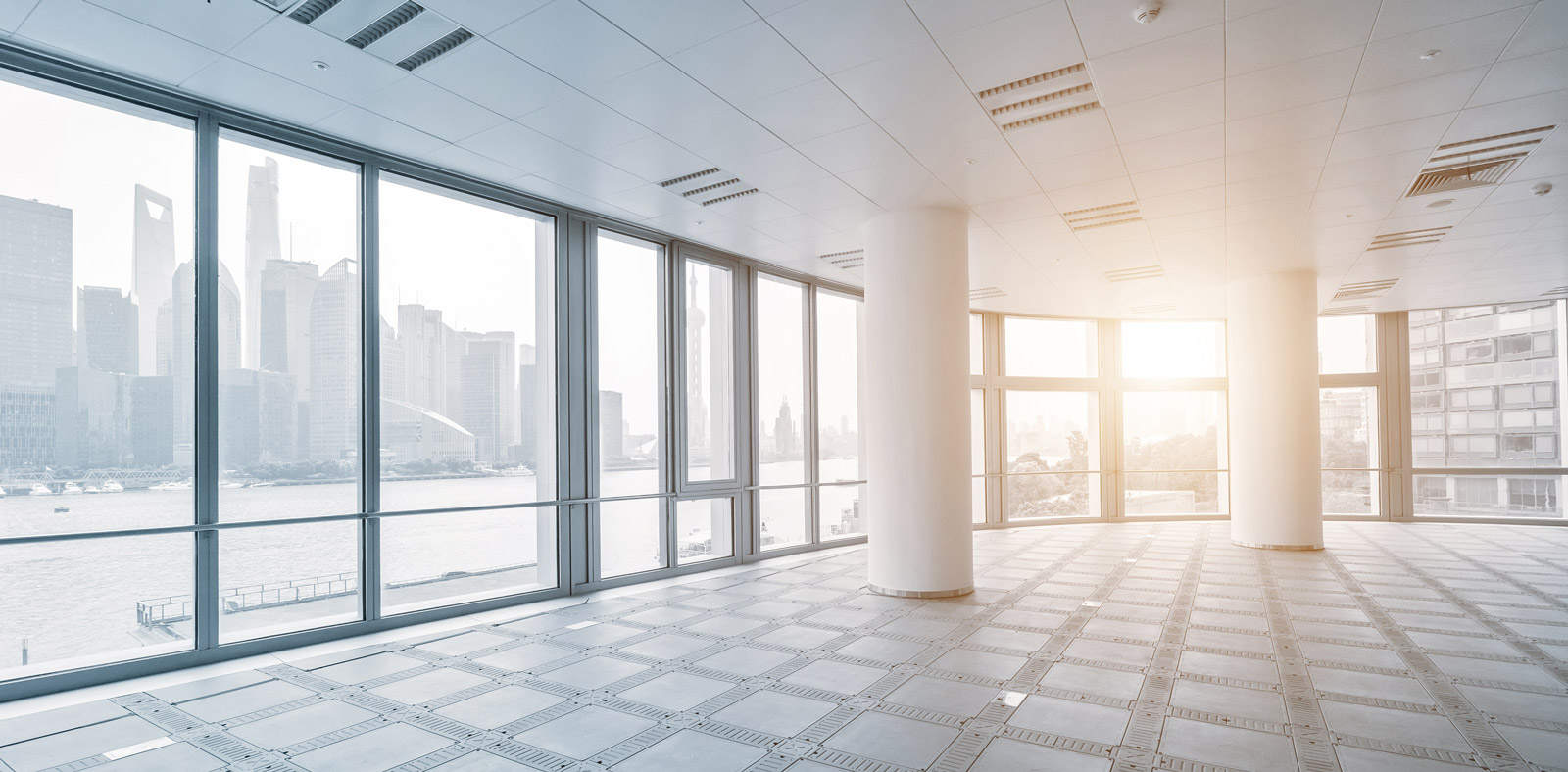
On the twelfth floor of a downtown tower that once housed three hundred insurance workers, a carpenter is fitting kitchen cabinets into what used to be a conference room. The building, half empty since 2023, is being converted into 140 apartments. Its owner expects the first tenants in spring. A decade ago, the idea of turning an office block into homes would have been dismissed as impractical. Today, in city after city, it is the plan.
Remote and hybrid work have left a permanent mark on commercial property. Office vacancy rates in major cities remain far above their pre-pandemic levels, and many landlords have accepted that the old tenant is not coming back. Rather than wait, cities are rewriting the rules that once made conversion difficult. Zoning changes now allow residential use in central business districts, permit requirements have been simplified, and several governments offer tax relief for conversions that include affordable homes.
Not every building can be converted. The towers that work best are older, with smaller floor plates that let daylight reach every room. The deep, wide floors of 1980s office blocks are harder: the centre of the building gets no natural light, and plumbing for a hundred kitchens and bathrooms must be threaded through concrete designed for a handful of toilets per floor. Engineers say the cost of conversion now rivals new construction in some cases, and the projects that proceed are usually those where the building was bought cheaply after its value fell.
The results, where conversions have finished, are changing neighbourhoods. Ground floors that once emptied at six in the evening now hold cafes, clinics and childcare centres serving new residents. A former office district in one northern city reports that foot traffic on weekday evenings has doubled since its first two conversions opened. Local businesses that survived on the lunch trade now have customers in the morning and at weekends too.
There are critics. Housing advocates note that most converted flats are small studios and one-bedroom units, doing little for families. Preservationists worry about the loss of architecturally significant interiors. And some planners warn that filling downtowns with housing while jobs move elsewhere could leave cities with homes but no employment nearby. The strongest response, several city officials say, is to mix uses deliberately: apartments above, clinics and classrooms at street level, and shared workspaces for the remote workers who live upstairs.
The scale of the change is still modest compared with the housing shortage, but the direction is clear. The office tower, the defining building of the twentieth-century city, is being remade for a century in which work happens anywhere and people want to live where the offices used to be. The carpenter on the twelfth floor puts it more simply: "People need homes more than they need meeting rooms."