Lifestyle
Slow Travel Is Quietly Replacing the Weekend City Break
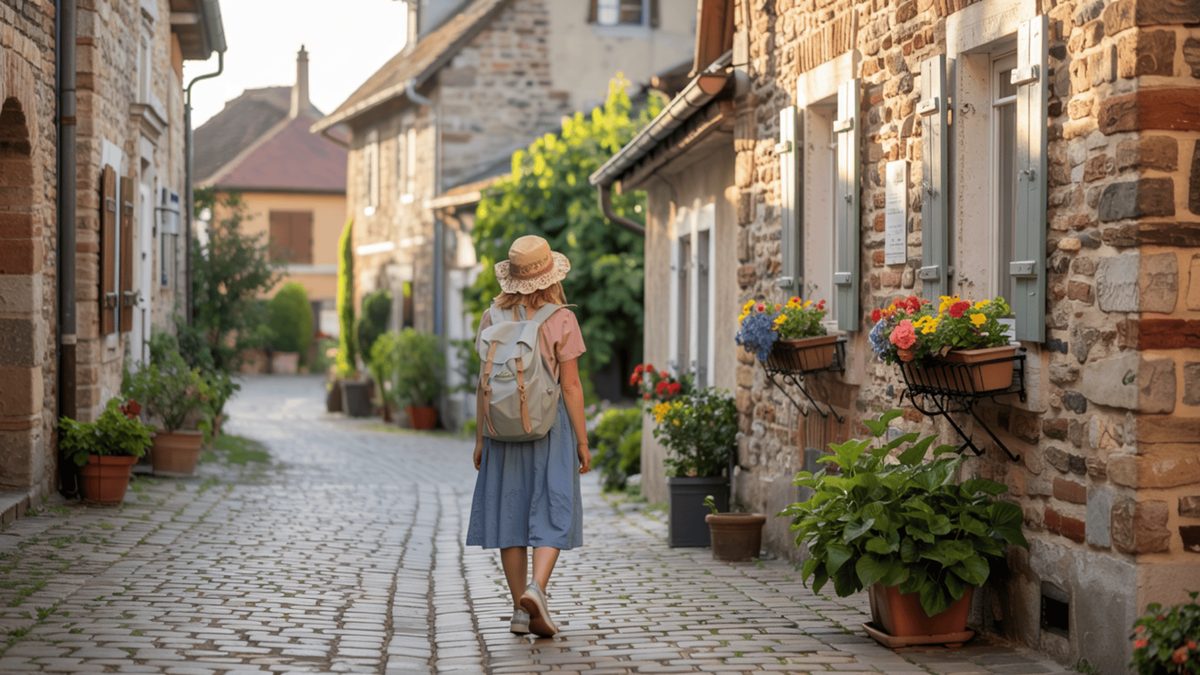
The itinerary used to be the point of a holiday: three cities in four days, a checklist of sights, photographs to prove it happened. A growing number of travellers are doing the opposite. They pick one town, rent a small apartment for a week or two, shop at the local market, cook dinner, and work a few hours in the morning before walking to the beach. The travel industry has a name for it, slow travel, and booking data suggests it is moving from a niche idea to a mainstream habit.
The shift has several causes. Remote work untied holidays from the office calendar, so a trip no longer needs to fit into a long weekend. Rising flight prices made short hops less attractive, while the cost of a week in one rented apartment is often lower than three nights in three hotels. And many travellers, candidly, are tired. The city break perfected the art of exhaustion: early flights, crowded attractions, and a return home that required another holiday to recover from.
What slow travellers do with their time looks unremarkable from the outside. They learn the bus timetable. They find the bakery that opens earliest. They take the same walk each evening and notice how the light changes. Researchers who study tourism say this is the point. Staying longer builds the familiarity that makes a place feel known rather than consumed, and familiar places produce stronger memories than a blur of landmarks. One study of returning holidaymakers found that people who stayed in one place recalled their trips in far more detail a year later than those who moved every day.
The economics favour the places being visited, too. A traveller who stays ten days spends money in grocery shops, laundries and neighbourhood cafes rather than concentrating it in airport hotels and tour operators. Smaller towns, once bypassed by visitors racing between famous cities, are seeing longer bookings and steadier income. Some local councils have started marketing themselves explicitly to slow travellers, advertising monthly rentals, coworking spaces and walking routes instead of must-see attractions.
There are trade-offs. Slow travel demands more planning and more time, which not everyone has. It can also be less exciting, and its advocates admit that a week in a quiet village is not for everyone. The movement's fans answer that the excitement was never the point. The point is rest, and rest, they argue, is what a holiday is for.
The change is visible in the numbers. Average trip lengths on major booking platforms have risen by roughly a day since 2022, and stays of a week or more now make up a larger share of bookings than they did before the pandemic. Airlines still sell weekend breaks, and cities still fill their hotels on Friday nights. But alongside them, a quieter kind of trip is growing: one place, one apartment, and time enough to learn where the good bread is.